Geri Reilly Real Estate Logo

Weekly Tip

Preparing Your Vermont Home for Winter: Essential Maintenance Tips

As the vibrant colors of autumn fade into the crisp chill of winter, Vermonters know it's time to prepare their homes for the inevitable challenges that the cold season brings. With its picturesque landscapes and picturesque winters, Vermont's beauty often comes with a price—harsh weather conditions that can take a toll on even the most well-constructed homes. To ensure your abode remains warm, cozy, and in top shape throughout the winter months, it's crucial to undertake some essential maintenance tasks. Here, we'll discuss a comprehensive guide to prepping your Vermont home for the upcoming winter, equipping you with the knowledge you need to protect your haven from the elements.

Weatherproofing Your Home:

One of the most critical aspects of preparing your Vermont home for the winter season is weatherproofing. The bitter cold and heavy snowfalls can easily find their way through any vulnerable points in your home's exterior, leading to chilly drafts and potential damage. Start by inspecting your windows and doors for any gaps, cracks, or air leaks. Consider applying weatherstripping and caulking to seal off any openings, preventing heat loss and keeping your energy bills in check. Additionally, ensure that your attic and basement are adequately insulated to maintain a comfortable indoor temperature.

HVAC System Check:

Your heating, ventilation, and air conditioning (HVAC) system should be in top-notch condition before the winter sets in. Schedule a professional inspection to assess the functionality of your furnace, thermostat, and any other heating components. Clean or replace your furnace filters to improve efficiency and indoor air quality. If you use a fireplace or wood-burning stove, have the chimney cleaned and inspected to prevent potential fire hazards. Proper maintenance of your HVAC system not only keeps you warm but also ensures safety for you and your family during the colder months.

Roof and Gutters Maintenance:

Vermont winters often bring heavy snowfall, which can add significant weight to your roof. Inspect your roof for any signs of damage, such as missing or cracked shingles, and address them promptly. Clear your gutters and downspouts of any debris to prevent ice dams, which can lead to water damage and leaks. Consider installing heating cables along the edges of your roof to prevent the formation of ice dams, ensuring that melting snow and ice can properly drain off your roof.

Outdoor Preparations:

Protecting your outdoor elements is equally important. Store any outdoor furniture, garden tools, and hoses in a sheltered area to prevent damage from freezing temperatures and snow. Trim any overhanging tree branches that could potentially break under the weight of heavy snow, posing a threat to your home. Remember to stock up on winter supplies, such as snow shovels, ice melt, and firewood, to tackle any snowstorms or emergencies that may arise during the season.

Plumbing Precautions:

Frozen pipes are a common issue during Vermont winters, often leading to costly water damage. To prevent this, insulate any exposed pipes and consider installing a programmable thermostat to keep the indoor temperature consistent. Know where your main water shutoff valve is located in case of emergencies. Additionally, disconnect and drain any outdoor hoses and faucets to prevent them from freezing and bursting.


Preparing your Vermont home for the winter season requires a proactive approach to maintenance and care. By taking the necessary steps to weatherproof your home, inspect your HVAC system, maintain your roof and gutters, protect outdoor elements, and safeguard your plumbing, you can ensure that your haven remains a warm and secure refuge during the coldest months. Remember, early preparation can save you from costly repairs and ensure your peace of mind throughout the snowy Vermont winter. Stay warm, stay safe, and embrace the beauty of the season in the comfort of your well-prepared home.

Cultivate Your Dream Garden in Vermont: Tips and Inspiration from Geri Reilly Real Estate

Gardening is more than just a hobby. It's a way to connect with nature, nourish your soul, and create a beautiful oasis in your very own yard. Vermont's unique climate and soil conditions provide endless opportunities for garden enthusiasts, whether you're planting colorful perennials or growing fresh vegetables. Geri Reilly Real Estate is excited to explore the world of gardening in Vermont, and we've gathered expert insights and tips to help you create the garden of your dreams.

Three of Vermont's Best Garden Flowers

  • Lilac (Syringa vulgaris): A quintessential Vermont favorite, lilac is known for its intoxicating fragrance and beautiful purple blossoms. These hardy shrubs thrive in Vermont's climate, providing a stunning display in late spring. The lilac's history in Vermont is rich, symbolizing renewal and the beautiful simplicity of country living.

Picture of Lilacs.

  • Black-Eyed Susan (Rudbeckia fulgida): These vibrant yellow flowers, adorned with their characteristic dark centers, are a staple in many Vermont gardens. Not only do they add a splash of sunshine to any garden bed, but they are also resilient, drought-tolerant, and attract pollinators like butterflies and bees. They represent the free-spirited and strong character of Vermont's natural beauty.

  • Bleeding Heart (Dicentra Spectabilis): Known for their unique heart-shaped flowers, Bleeding Hearts are a captivating addition to Vermont gardens. These perennials are perfect for shaded areas and are usually found blooming in late spring, adding a touch of romance and whimsy to the landscape. They symbolize the deep connection to nature and the sense of wonder that Vermont gardeners embrace.

Picture of Bleeding Hearts flowers.


Vermont's Gardening Scene

From the beautiful Green Mountains to the sprawling Champlain Valley, Vermont offers a diverse range of landscapes. The state's four distinct seasons allow for vibrant spring blossoms, lush summer growth, stunning autumn foliage, and a winter wonderland. According to National Geographic's Climate Guide, Vermont's weather conditions provide a variety of options for both native plants and exotic varieties.

Tips for Creating the Perfect Garden

  1. Know Your Soil: Understanding your soil type is essential. A report from the USDA can guide you in choosing the right plants for your area. By knowing whether your soil is sandy, clayey, or loamy, you can choose the right plants, fertilizers, and more to create a flourishing garden.

  2. Choose Native Plants: Plants native to Vermont not only thrive but also support local wildlife. Check out this guide from the Audubon Society for the best native plants in your region. Choosing native plants can also make gardening more manageable, as they often require less maintenance and are more resistant to local pests and diseases.

  3. Sustainable Gardening: Embrace sustainable practices by composting, reducing water use, and avoiding harmful chemicals. The Environmental Protection Agency offers guidelines on composting at home. By following sustainable practices, you are contributing to a healthier planet and creating a garden that aligns with nature.

  4. Embrace Seasonal Diversity: Vermont's seasonal changes offer unique gardening opportunities. Explore this article from the Smithsonian to understand how seasonal shifts can influence your garden's design. Whether it's planting bulbs in the fall for spring blooms or growing winter-hardy vegetables, each season brings its unique beauty and challenges.

  5. Community Connection: Join local gardening clubs or community gardens. Vermont's strong sense of community makes gardening a social and rewarding experience. By connecting with fellow enthusiasts, you can exchange knowledge, seeds, and friendships, turning gardening into a rich social experience that nurtures both plants and people.

Finding Your Dream Garden with Geri Reilly Real Estate

Having a well-maintained and aesthetically pleasing garden can significantly increase the value of a house, and this impact extends beyond just the aesthetics. You can increase your visual appeal, enjoy the benefits of improved air quality and reap the health and wellness benefits from your environment. A garden that's been professionally landscaped or well-maintained reflects the overall care taken in the property. It creates an image of a home that is loved and looked after, making it more attractive to potential buyers. Homes with appealing gardens often attract more viewings and can even shorten the time a property spends on the market.

Gardening in Vermont offers a rich and rewarding experience that combines beauty, sustainability, and community. With the right knowledge, tools, and passion, you can cultivate a stunning garden that reflects your personal style and love for the environment.

Ready to find the perfect space to grow your dream garden? Explore our current listings at Geri Reilly Real Estate and let us help you plant the seeds for your future in Vermont. Happy gardening!

Selling Your House in a Sellers Market? Here's Some Staging Tips to Make Your Home Stand Out Above the Rest.

Getting your home picture perfect ready takes more than cleaning the counters, organizing your living room space, making the bed, vacuuming and picking up the backyard. With today’s market it's more important than ever to make sure you stage your home in order for it to stand out amongst the other homes on the market. The right staging can boost your homes showing, people's interest in your home, and inevitably get you a higher buying price on your home. Keep reading to find out why staging is a critical piece of selling your home, and some easy tips to help get your home sold.

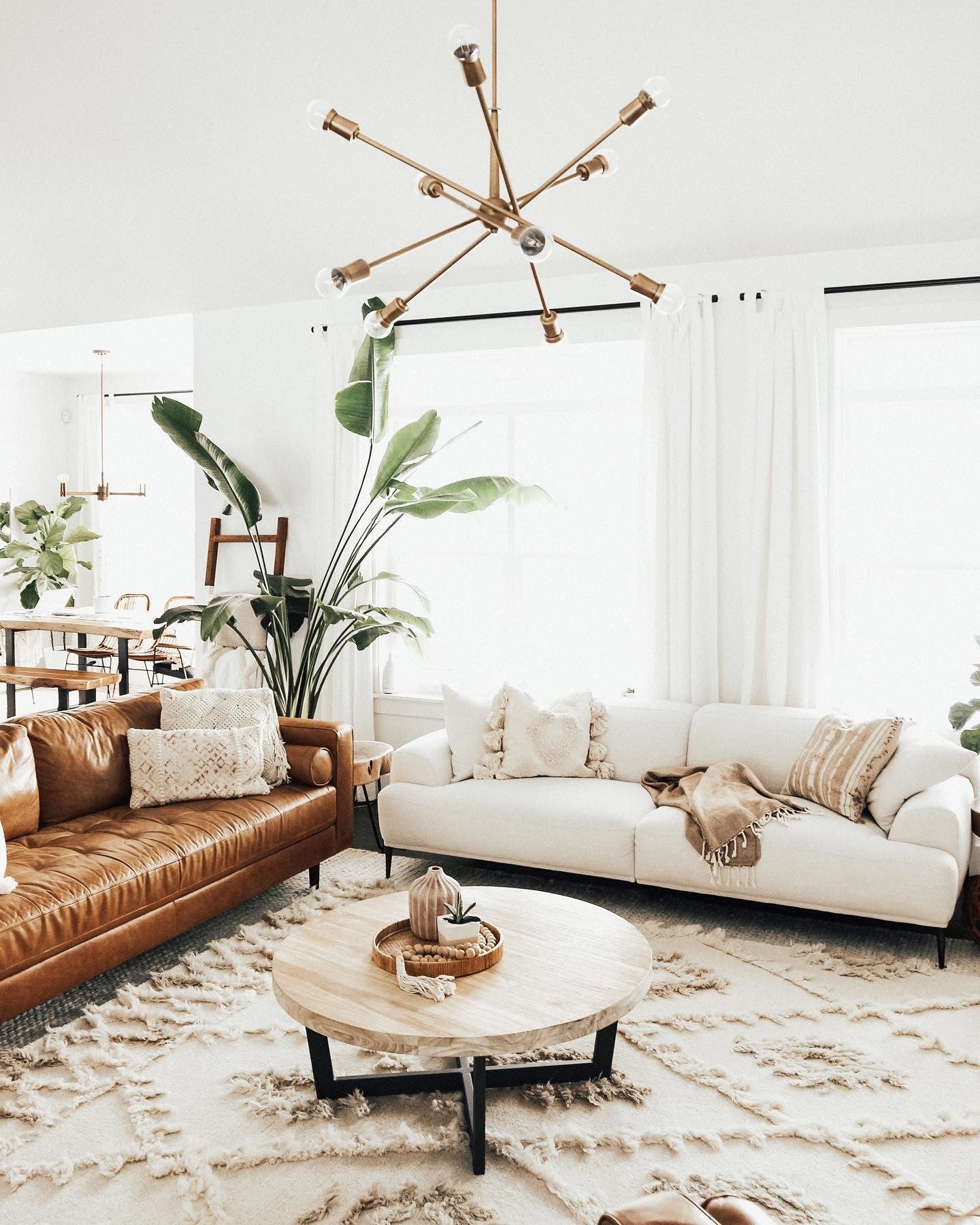
Clean and white living room- staging your home

What is a Sellers Market?

Simply put a sellers market is when there is a higher demand of homebuyers looking for a new home then there are houses listed on the market. This normally equates to higher home prices, and more cut throat bidding wars for homes. This is the time period where the home sellers have the upper hand on how much they get for their home, and some aren't afraid to wait for the perfect offer. 

A Staged Home Results in Better Photos

Your listing photos are what makes your home stand out above the others when people are scrolling through real estate websites. A new listing tends to get three times the views in its first week of being live on the market, and 85% of buyers say that photos are the most important aspect that draw them into being interested in looking and purchasing a home. In short, your listing photos are a first impression and it’s important that sellers do what they can to obtain the best listing photos possible. 

Depersonalize So Your Buyers Can Visualize

It’s hard for people to buy a home if they can’t see themselves living within the home during the initial showing. Make sure to take down any personal photos or possessions off the wall, countertops and shelving. It’s hard for potential buyers to see themselves in your space and purchase your home when they feel like they are viewing someone else's home obviously it is but, when selling you want to try to avoid that feeling. Make it easy for the potential buyers to envision their family photos and personal items up on the wall and shelving while viewing your home. It also helps if you declutter your home, take down any fixtures or any other items of décor that aren't necessary. This further allows them to envision their belongings in the living spaces instead of yours, when there are less items in the room it make is much easier to do so.  The more an individual can envision their personal items in your home and where they might put them, the more they are inclined to make an offer.

Organize your furniture

Make It a Home

It’s important to evoke that feeling of “home” for your potential buyers as they walk through your house. Staging a home with more modern and clean furniture and accessories can do so much for your home's appearance and overall appeal to potential buyers. Try to move your furniture around your home, if you don’t have the money to invest in a few new items to help the sale. It sometimes can be as easy as moving some furniture around your home into different locations to give your home a cleaner and revamped vibe. 

Avoid Dark Colors and Future In Your Home

It’s best to avoid dark paints, and furniture when staging your home for marketing purposes. Darker colors can make a space look a lot smaller, and sometimes that can detract buyers from making an offer. Painting your walls white or a cream along with taking out that dark furniture is another easy way to change up your home for the better, along with making it more appealing to potential buyers. 

Add Some Illusion

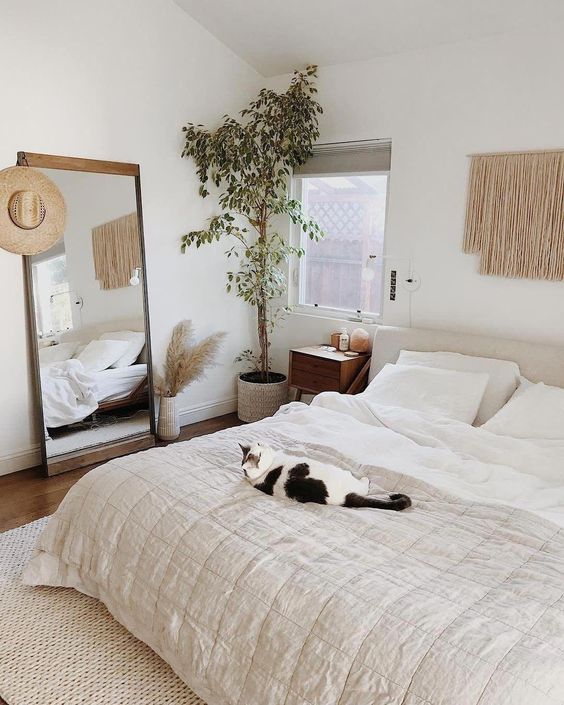
Along with avoiding dark furniture, and removing clutter there are other things you  can do in order to make your home seem more inviting, and larger than it actually is. Try to avoid having furniture in your home that just barely fits against a wall or in a specific room. Instead try to only feature the small furniture in your home during the showing process. Placing a low bed near a window can also help create this illusion, you can enhance this look by hanging a mirror on the opposite wall to reflect the outdoors making the room seem even larger. Use light colored bedding on all the beds in the house, beds take up a lot of space in a bedroom and having the bedding a white or cream color, makes the bed blend in more to the light colored walls and expands the bedroom. Also adding vertical shelving and art into the space to make rooms look taller and larger.

Staging your room

Think About The Outdoors

Especially since the pandemic and forced isolation in our homes, outdoor spaces are becoming more prominent in buyers' minds and hold more importance to them. Staging your properties baloneys, porches, front yard and backyard can greatly increase your properties appeal. Plant new flowers, power wash the deck and walkways, make sure your outdoor space is an addition to the house, not an afterthought. If you have a smaller home, this is also a way to make your home seem slightly larger by really incorporating your outdoor space as a separate “room” for you potential buyers to work with. 


1-3 of 57 Posts