
Geri Reilly Real Estate Logo

Blog :: 08-2022

Small bedroom tips: Designing a small space
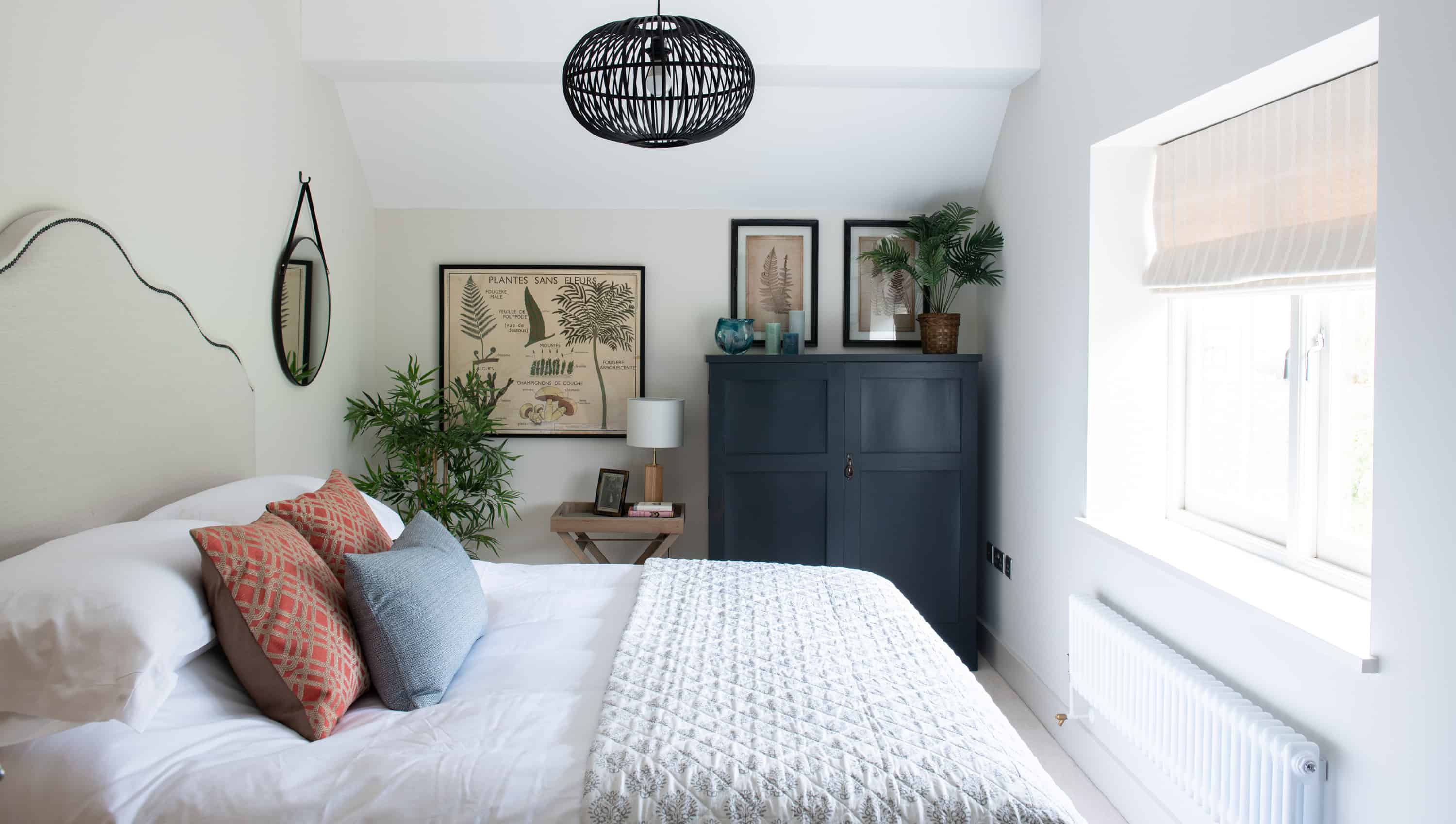
Small bedroom tips: Designing a small space

https://www.realhomes.com/design/small-bedroom-ideas

Designing a small space can be challenging. When you want to add style and comfort to a room with little square footage, every design decision becomes more important. Small bedrooms can be especially tricky to decorate without making them feel cramped. To help, here are some ideas for decorating a small bedroom:

Layout matters

If you're decorating a small bedroom, it can be beneficial to consider non-traditional layout options. If you arrange your furniture in the right way, you can make the room feel larger and more comfortable even when taking up the same amount of square footage. Try placing all the furniture on either side of the room rather than facing the door. Doing so will draw your attention to the free space rather than the furniture itself, giving the illusion of a larger room.

Go for multifunctional

Multifunctional furnishings are key to decorating a small bedroom. Drawers and other storage solutions built into the bed are the best way to begin, as the bed is typically the largest piece in the room. More ways to make your furnishings double-duty include using a shelving unit as a headboard and opting for seating with hidden storage.

Create the illusion of more space

There are many decorating tricks you can use to make a room seem larger than it really is. One common strategy is to use one or more mirrors to reflect light and create the illusion of more space. Other options include choosing low-sitting furniture and hanging window treatments from above the window frame. Hang or wall-mount your lighting rather than use floor or table lamps, and you'll conserve space while making the room seem more expansive.

There are many clever ways to decorate a small space to make it stylish and comfortable without being cramped. Keep these tips in mind when decorating your own small bedroom to create the perfect fit.
    Comments

    1. No comments. Be the first to comment.

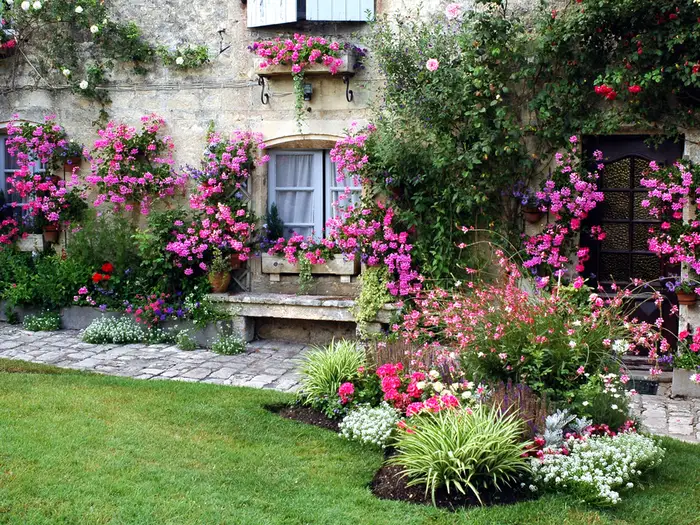
    Designing French Gardens: 4 Key Elements

    French Gardens

    To add classic elegance to your home’s exterior, consider taking inspiration from French gardens. French garden design has a legacy of precise, formal and beautiful landscaping, making it the perfect style for homeowners wanting to dress up their outdoor space.

    While a French garden can be more maintenance than other garden styles due to the emphasis on clean edges and pristine shapes, understanding the fundamentals will help you achieve the same aesthetic at home.

    To help, here is a basic guide to the key elements of French garden design:

    The Home as a Focal Point

    Traditional French gardens highlight the home or residence as the focal point of the landscape. Garden designs typically include pathways directing visitors to the front door, often oriented perpendicular to the facade.

    While Stucco and stonework homes are classic French focal points, any style of home can use this same design scheme.

    Symmetry

    Symmetrical lines are essential to French garden design. When creating pathways, planting or arranging shrubs, it’s crucial to keep everything precise and even on both sides. Boxwood shrubs are a popular way to create symmetry by growing them into easily trimmed hedge rows. Geometric shapes like diamonds, triangles and semicircles are all worth exploring in your design, as long as the overall aesthetic maintains its symmetry.

    Fountains & Water Features

    Water features like stone garden fountains, reflecting pools and carefully manicured ponds are important elements in French gardens. Traditional French garden fountains come in several varieties, including free-standing fountains and fountains built into walls. Multi-tiered and highly ornamental designs are perfect options to incorporate water into your formal French garden.

    Simple Color Palettes

    Formal gardens tend to stick to simple color palettes. Cool colors are especially popular for French style gardens, so when choosing plants or flowers, err on the side of gray, white, blue and purple. Lavender is the traditional choice for French garden style, and easy to grow either in decorative containers or in carefully manicured planting beds.

    While these are some key elements of French garden design, they are only guidelines to inspire you. Using this design scheme, you can add custom creativity and create a French style garden all your own.

      Comments

      1. No comments. Be the first to comment.

      Pet-Safe & Pollinator-Friendly: Pentas & Other Great Picks for Your Garden

      When planning an outdoor garden, many want to prioritize plants that attract and support local pollinators. Bees, butterflies and hummingbirds can add an enjoyable presence to your yard and help your plants and local ecosystem thrive. However, it's also important to protect and support your own animal friends. While many popular flowers and plants are toxic to dogs and cats, pentas and many other options are perfectly safe and help pollinators. Here are some suggestions:

      Pentas

      Pentas can grow in pots or in the soil anywhere they can get 6 to 8 hours of sun per day. These plants produce clusters of tiny, star-shaped flowers in white, pink, red and purple. Their blooms attract butterflies, hummingbirds and honeybees throughout their growing season. While supporting your local pollinators, they pose no threat to your pets--both the flowers and leaves of this plant are completely non-toxic.

      Marigold

      Marigolds are common in gardens everywhere for their ease of care and variety of colors. While they thrive in full sun and warm temperatures, they're hardy enough to be a great choice of flower for planting in containers or in the ground. Luckily, this popular and easy-to-grow flower attracts pollinators to your garden, particularly butterflies, and is completely safe for your pets.

      Snapdragon

      Snapdragons are dramatic looking plants with a strong fragrance. Their aroma helps make them especially attractive to bees, butterflies and hummingbirds. Most varieties of snapdragon are grown as annuals, but they can also be perennials in certain climates, providing tall clusters of blooms in white, pink, orange and red year after year. Snapdragons are a favorite among pollinators and pet-owners for being a safe source of beauty and nectar in any garden.

      Plants to Avoid

      Unfortunately, many great pollinator-supporting plants are not safe for your pets. Some of the most popular examples include lavender, chamomile, geranium and azaleas. If you choose to grow these plants, consider keeping them in containers where your pets cannot get to them. Otherwise, remember these suggestions for plants that help pollinators without putting your pets at risk.

        Comments

        1. No comments. Be the first to comment.