For many of those in Vermont, the recent snow storm came as an unwelcome and dangerous surprise. Snow froze quickly into ice making it difficult for even those with snow tires already on their cars. For everyone else it was a wakeup call to just how severe the upcoming winter may be. Read on for helpful tips to ensure safe winter driving.
All Season Vs. Winter Tires
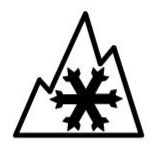
Look for this symbol when buying Winter tires.
If you're looking to buy some more weather appropriate tires you may be wondering if All Season tires may be the efficient fit. If you're living in a place that gets a lot of snow and ice, like Vermont, experts warn against this seemingly cost efficient option. The primary problem is that All Season tires are meant to be adequate for all weather, and optimal for none. The tread won't be as aggressive as that on a Winter tire and the rubber used in them will not be as flexible in the cold.
Winter tires use specialized rubber compounds designed to stay flexible in cold temperatures and deeper treads that are less likely to fill up with snow. Tests show that cars with Winter tires consistently stop ½ to a full car length shorter than those with All Season tires, even at a mere 15mph.
4 Wheel Drive
I have an SUV with 4 Wheel Drive, doesn't that make me safer? Unfortunately not. 4WD will help you get started from a dead stop and will better accommodate tight corners but will not help the car slow down any faster or smoother.
Picking Quality Tires
So how will I know if I've found a good Winter tire? Certain tires are designed for severe winter conditions and better traction on snow. Tires meeting the strictest standards are marked with a peaked mountain symbol. The right time to install your Winter tires is once the temperature holds regularly at or below 50 degrees Fahrenheit. Take them off when the temperature holds at higher than 50 degrees. Keep in mind that waiting until the first snow lumps you in the same category as most other drivers and will cut down on the amount of inventory and savings that will be available to you.

Picturesque and potentially dangerous. Enjoy peace of mind while driving by making sure you're prepared and safe!
Studs
Many Winter tires accommodate studs, something you may pay extra to have added. Studs are ideal if you intend to spend much of the winter driving up mountains, such as for skiing, or on back country roads. For city driving they are an unnecessary expense.
Safe Winter Driving
Whether you have decided to employ Winter tires or not, there are some winter driving tips you should keep in mind.
- Be prepared during tough snow driving and keep the following in your car: jumper cables, tire chains, flares, blankets, food, gloves, boots, a flashlight, a cell phone, a first aid kit, an ice scraper, and a towing cable.
- Driver slower, especially when encountering corners and downward hills.
- Check your brakes and steering when you first get on the road, be wary of black ice that can unexpectedly form on bridges, overpasses and intersection.
- Don't use cruise control or follow other cars too closely.
- If you feel yourself start to skid, release the accelerator and gradually steer in the opposite direction in which you're skidding. Do not use your brakes. If you end up overcorrecting and skidding in the other direction then gradually steer back the other way.
- If you get stuck in snow and want to try to get yourself out, first clear snow away from around your tires. Then gain traction by laying sand, salt or traction mats wherever you will be driving, not just directly around your tires. You should not try to drive out - slowly. Trying to accelerate too quickly will dig a deeper hole around your tires and pack snow into the wheel well. Try rocking the car back and forth if you are having difficulty just driving out.
- It's always a good idea to have a tow or roadside assistance service on speed dial, AAA is a relatively inexpensive service that you may find yourself returning to all year round.
Keep up on your local weather forecast and try to avoid driving in especially serious conditions. The best strategy for staying happy and safe during a brutal Vermont winter is to always be mindful, careful and prepared. We wish you a joyous holiday and winter season!




Header Social