

Geri Reilly Real Estate Logo

Marketing Coordinator

Tips for arranging living rooms with TV stands

living room

Many homeowners arrange their living rooms with TV placement as their priority. As a common focal point, a TV can pose some design challenges, especially in small or unusually shaped rooms.

However, there are plenty of places to put your television in your living room without sacrificing style or comfort. To help you find the best arrangement for your living space, here are some points to consider:

Power source & outlet placement

Concerning practicality, it's important to think about placing your TV near an outlet or power source. Extension cords are plentiful and useful, but it can be a hassle to route an abundance of wiring around the room.

Remember to account for your other devices when planning TV placement as well. It’s not only your TV you’ll be plugging in - DVD, Blu-ray, sound systems and game consoles all require power of their own.

Windows & screen glare

Think about where your windows are in the room and avoid placing your TV directly opposite of them. If you have east or west-facing windows, consider the glare from low-angled sunshine early and late in the day.

Window screen glare can be eliminated by heavy curtains or closed blinds. Other sources of glare, like task or accent lighting, should be avoided when possible for a clear picture.

TV stands & living room furniture

Consider what support you need for your television. If wall mounting a TV, identify and measure the locations of studs before drilling any holes. If you prefer to use a TV stand, consider what style will work best in your living room.

Open shelves keep your components easily accessible, while closed cabinets have a sleeker aesthetic. For a fully integrated entertainment center, plan your TV placement alongside wall shelves for the best possible use of wall space.
    Comments

    1. No comments. Be the first to comment.

    How to tell if you have a gas leak


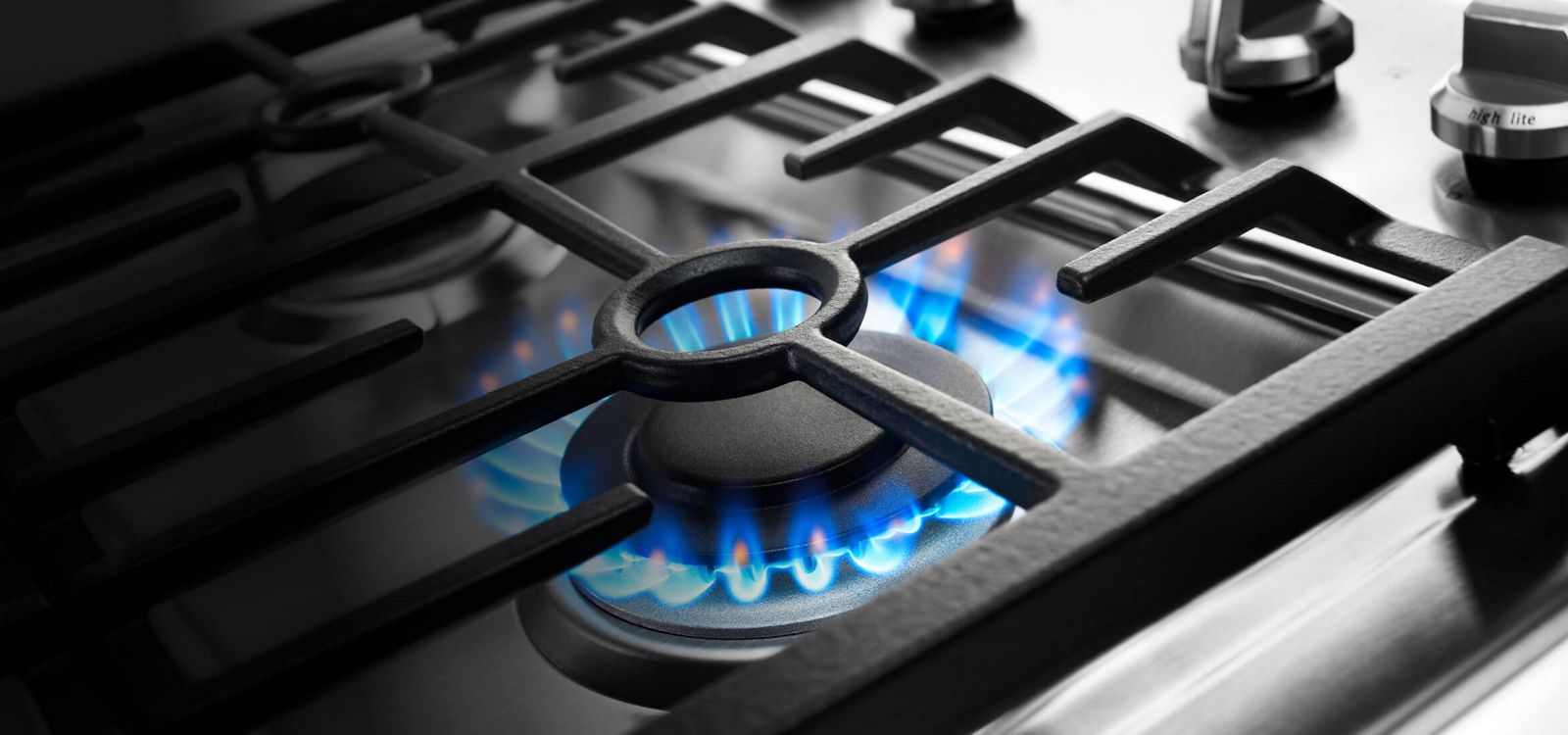
    Gas leaks are a dangerous problem for homeowners. These leaks, which can occur from gas stoves, fireplaces and other gas-powered appliances, cause natural gas to build up inside your house, which can lead to serious and potentially deadly health problems. So it's important to know when you might have a gas leak. Here are a few of the signs your gas is leaking:

    Rotten egg odor

    One of the most noticeable signs of a gas leak is a rotten egg smell in your home. The odor comes from a chemical that's added to natural gas, since gas itself is odorless. If you smell sulfur or rotten eggs in your home, especially if the odor is strong, this might indicate a gas leak.

    Higher gas bills

    Slow-leaking gas is harder to detect. If your gas bills and usage have been higher than normal, this might mean you have a gas leak somewhere in your home. Talk to your local gas company about your bill increase and have a professional plumber inspect your gas lines and make repairs as needed.

    Plant problems

    Houseplants or plants near your home with stunted growth could indicate a gas leak. These leaks can also cause plants to die by preventing them from absorbing oxygen. Yellowish grass patches on your lawn close to your house can also be a sign of gas leaks.

    Hissing noises and air bubbles

    Hissing sounds in your home can occur when there's a gas leak in appliances or pipes. This noise can happen even when appliances are shut off. Air bubbles in mud or puddles outside your home can occur when underground pipes have a gas leak.

    Health Issues

    You might experience health issues if your home has a gas leak. These symptoms might include headaches, breathing problems, fatigue, lightheadedness and nausea. More serious symptoms can include memory problems, more severe headaches and loss of consciousness. Seek medical care right away if you experience possible symptoms of natural gas poisoning.

    If you notice any signs of a gas leak, use your gas shut-off valve to prevent more gas from leaking into your house. Open your windows and have everyone in your home, including pets, leave immediately. Then call 911 to report a gas leak in your home and wait outside for help to arrive.

    Want to buy a house with bad credit? Here are some options to consider

    Want to buy a house with bad credit? Here are some options to consider

    Your credit score matters to mortgage lenders, but that doesn’t mean it’s impossible to buy a house with bad credit. In addition to other loan options, there are other strategies for buying a home if your credit report is less than ideal.

    Here are some of the ways you can work toward buying a house with bad credit:

    Government subsidized loans

    As an alternative to a conventional loan, the U.S. government offers various loan options for qualified borrowers wanting to buy a home. The three most recommended are FHA loans, USDA loans and VA loans.

    • FHA loans are offered by the Federal Housing Administration. An FHA loan is great for first-time homebuyers because of lower minimum credit score requirements and lower down payments.
    • USDA loans are paid for by the U.S. Department of Agriculture. This type of loan can help you buy a house or property in a qualified rural area.
    • VA loans are available from the Department of Veterans Affairs for active military personnel and veterans. These loans typically have a special one-time funding fee instead of a large down payment.

    Private loans

    Private loans are arranged between the borrower and a private individual lender rather than a mortgage company. Private mortgages typically exist between family members, friends or other personal connections. However, it’s not impossible to find a private mortgage lender on your own.

    These types of loans can be much more forgiving when it comes to credit report, but might have other requirements per the individual lender.

    Cash

    While not always likely, it is possible to buy a house with cash rather than borrow money at all. Otherwise, another strategy for homebuyers with low credit scores is to supplement a mortgage with a cash payment.

    For example, if a lender offers you a mortgage with a higher interest rate or higher down payment because of your credit, you can use cash to lighten the financial burden.

    These options won’t work for every buyer, but they’re worth considering if you want to buy a house with a low credit score. Keep these strategies in mind when evaluating your financial situation and shopping for a loan.

    Comments

    1. No comments. Be the first to comment.

    19-21 of 33 Posts